Self-Adaptive Digital Twin Optimisation for Industrial Process Systems

Engineering-led real-time modelling and constraint optimisation under volatile operational conditions.

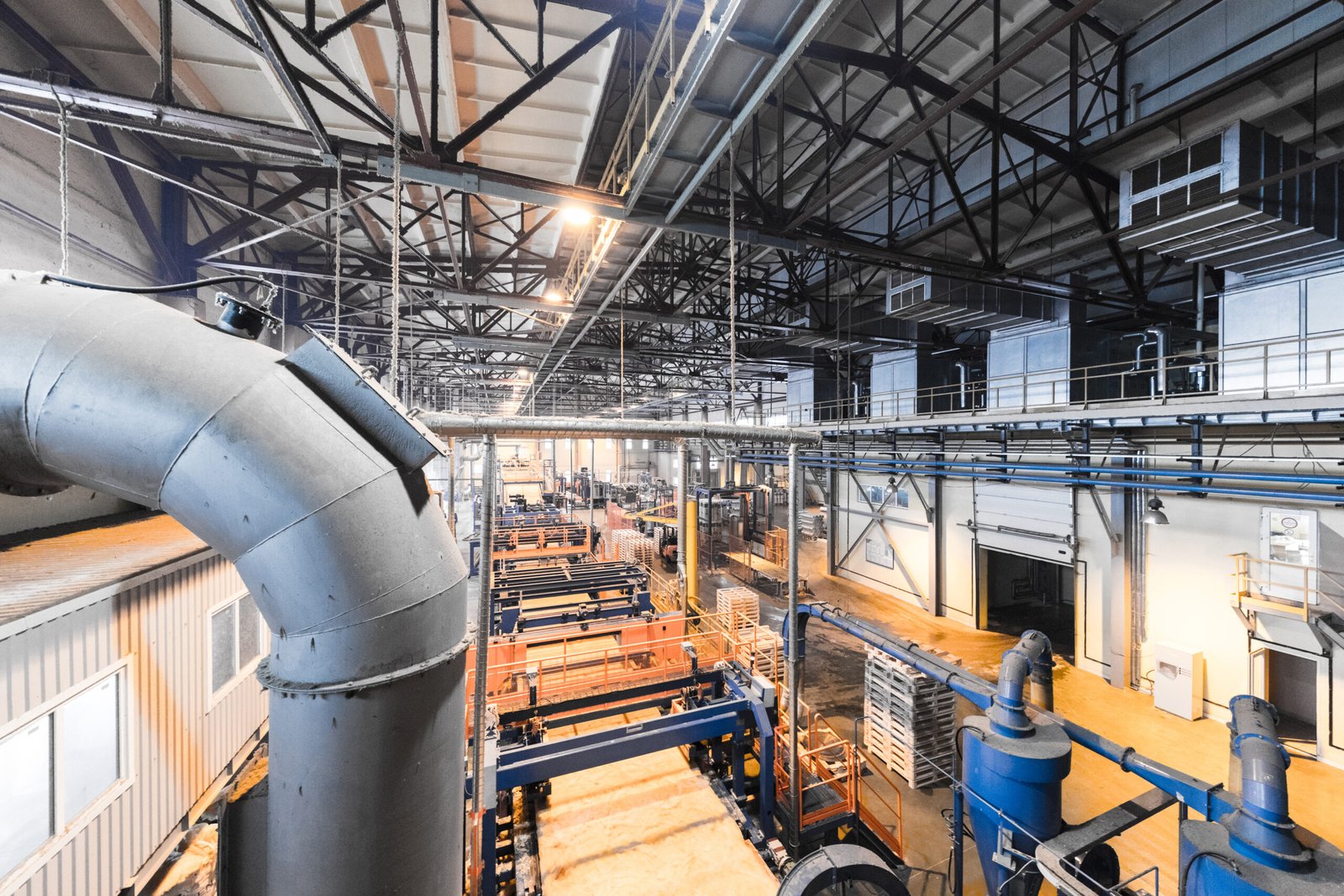
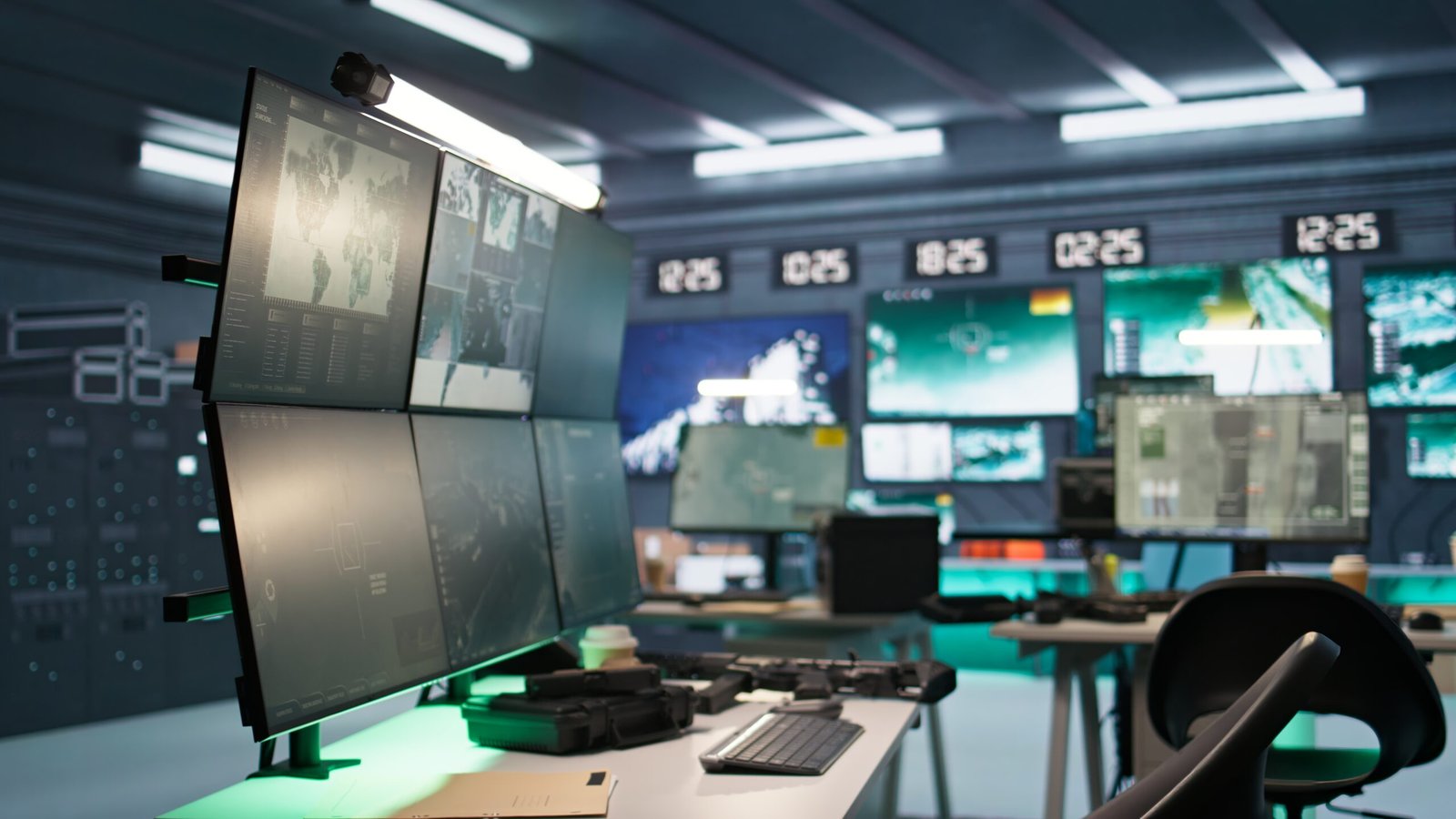
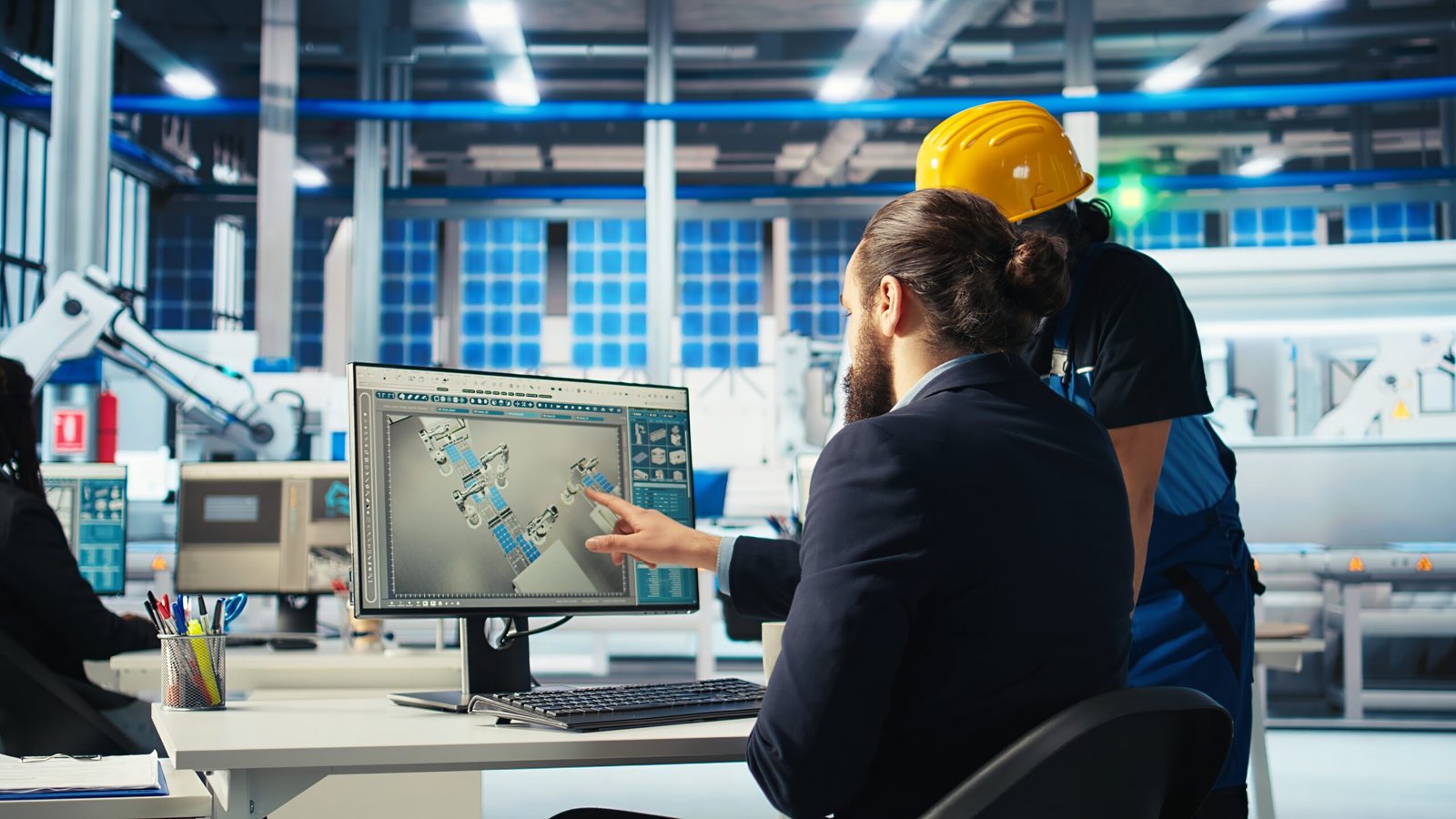
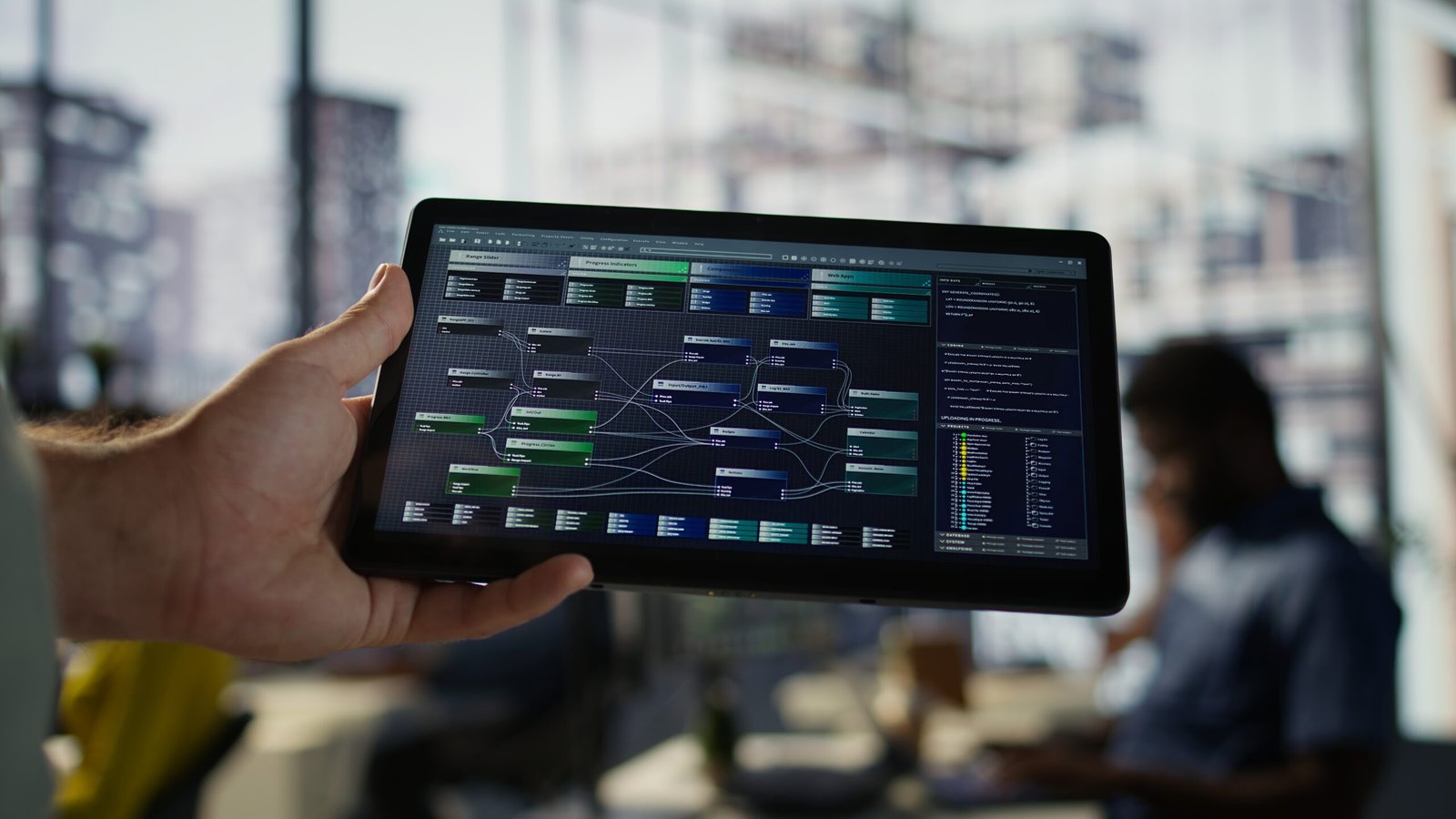
Eagle Head Holdings Ltd is developing an adaptive digital twin platform designed to model, simulate, and optimise complex industrial energy and process systems.

[PLATFORM ARCHITECTURE]

Adaptive Modelling and Optimisation Framework

Physics-informed system models designed to represent industrial energy and process behaviour under variable operating states.

Predictive correction modelling applied to compensate for real-world deviation between theoretical and observed system behaviour.

Mathematical optimisation engine balancing competing objectives such as efficiency, stability, throughput, and compliance limits.

Continuous drift detection and recalibration logic responding to system ageing, environmental variation, and operational change.

[COMPANY OVERVIEW]

Engineering-Led Development of Adaptive Industrial Modelling Systems

Eagle Head Holdings Ltd is an engineering-focused technology company developing computational optimisation systems for industrial energy and process environments.
The platform is designed to analyse operational variability, detect constraint conflicts, and support structured performance modelling under real-world industrial conditions.

Engineering Scope

SIC 71121 – Engineering design activities for industrial process and production systems.

Registered Details
[RESEARCH & DEVELOPMENT]

Structured Experimental Modelling and Validation

Adaptive Digital Twin Research Programme

The system is being developed through iterative engineering validation designed to evaluate modelling stability, constraint interaction behaviour, and optimisation performance under simulated industrial conditions.

Research Focus

Model convergence and stability testing

Methodology

Sensitivity analysis and divergence stress testing

System Scope

Industrial energy and process environments

Industrial Variability Simulation Module

Simulation framework designed to evaluate optimisation behaviour under fluctuating operational inputs including load variation, telemetry uncertainty, and progressive system degradation.

Module Type

Simulation Environment

Evaluation Scope

Dynamic operating conditions

Validation Focus

Adaptive recalibration performance

[TECHNICAL DIFFERENTIATORS]

Engineering Architecture Designed for Industrial System Complexity

Physics-Informed Modelling

System architecture integrates engineering-based process models rather than relying solely on statistical prediction.

Constraint-Aware Optimisation

Optimisation logic is designed to evaluate competing objectives simultaneously rather than prioritising single-variable outputs.

Adaptive Learning Layer

Residual modelling continuously adjusts predictions as real-world system behaviour diverges from theoretical assumptions.

Operational Variability Handling

Framework is structured to evaluate fluctuating loads, sensor noise, and system ageing effects within modelling cycles.

[DEVELOPMENT METHODOLOGY]

Structured Engineering Approach to Adaptive System Modelling

  • System Baseline Definition

    Initial engineering models are constructed to represent process physics, operational constraints, and system architecture.

  • Computational Model Calibration

    Simulation parameters are refined using test datasets to align theoretical outputs with observed system behaviour.

  • Constraint Interaction Testing

    Model performance is evaluated under competing objectives, fluctuating inputs, and boundary condition changes.

  • Adaptive Optimisation Validation

    Iterative testing verifies optimisation stability, convergence behaviour, and recalibration responsiveness.

[TECHNICAL ENQUIRY]

Submit a Technical Enquiry

Provide details of your operational environment and modelling objectives. A member of the engineering team will review your submission.

[TECHNICAL FAQ]

Technical Questions About the Adaptive Digital Twin Platform

What industrial systems is the platform designed to model?

The system is being developed to model complex industrial energy and process environments including manufacturing infrastructure, mechanical systems, and facility-scale operational networks.

The modelling architecture incorporates residual learning layers designed to compensate for telemetry gaps, sensor noise, and measurement inconsistencies.

The optimisation engine is structured to evaluate competing operational constraints simultaneously rather than prioritising a single output variable.

Validation is conducted through sensitivity testing, divergence analysis, and simulation benchmarking against controlled datasets.

Adaptive recalibration logic is designed to detect system deviation and update modelling behaviour as operational conditions evolve.

The platform is under active engineering development and testing. Current work focuses on modelling stability, optimisation behaviour, and validation methodology.

[TECHNICAL ENGAGEMENT]

Discuss Your Industrial System Modelling Requirements

Engineering teams and technical stakeholders can submit operational scenarios for structured evaluation and modelling feasibility review.